I Canceled Three Subscriptions and My Library Card Picked Up the Slack: The Freebie Audit Nobody Talks About
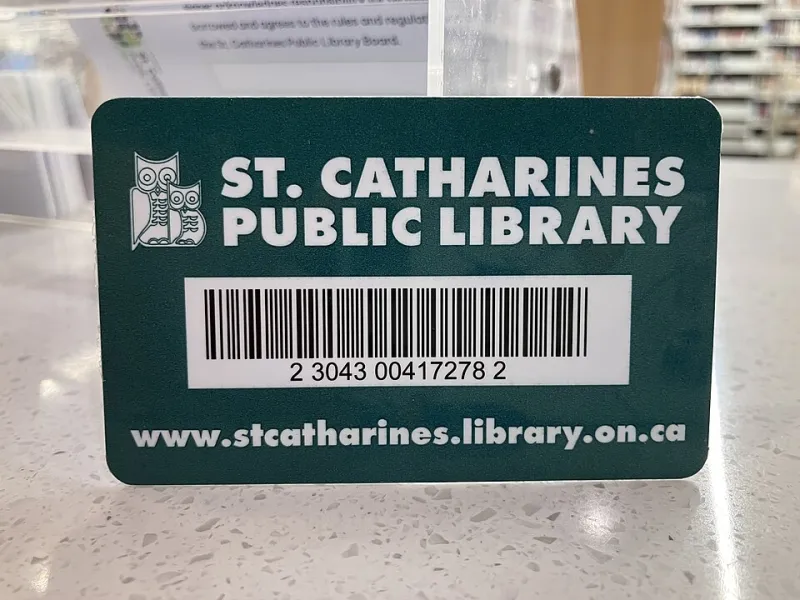
Photo: Gogerr, CC BY-SA 4.0, via Wikimedia Commons
We spend a lot of time on this site talking about squeezing value out of every dollar — cashback portals, receipt apps, loyalty stacking. But there's one card that beats all of them on ROI, because it costs you literally nothing: your public library card.
I did an experiment last month. I canceled three paid subscriptions and challenged my library card to fill the gaps. Thirty days later, my wallet is $34 a month heavier and I honestly haven't missed a thing. Here's what your local branch can probably do for you, too.
Free Streaming That Isn't a Trial
The first thing to go was a movie streaming subscription. In its place: Kanopy and Hoopla, two platforms most US libraries partner with. Kanopy gives you a monthly allotment of streaming credits for critically acclaimed films and documentaries. Hoopla works more like a standard service — instant borrowing of movies, TV, ebooks, and even comics, with no waitlists on most titles.
Is the catalog the same as the big streamers? No. Is it good enough that I haven't opened my old apps in a month? Also no — wait, yes. I haven't.
While you're at it, check Libby, the app that connects to your library's ebook and audiobook collection. Audiobook credits alone can run $15 a month on paid services. Libby's price is your tax dollars, which you've already paid.
Museum Passes: The Best Kept Secret in America
Here's the one that genuinely shocked me. Many libraries — especially through programs like the Museum Pass system or state-level initiatives — lend out free or discounted admission passes to zoos, science centers, botanical gardens, and children's museums.
In my area, a single Saturday at the science center runs about $25 per adult. The library pass? Free, with a three-day checkout and a waitlist I now plan around like a normal person books flights.
Call your branch or check their website for "museum passes" or "attraction passes." Even smaller systems often participate in state park pass programs, which can save you the $80–$130 annual parking fee.
Borrow the Stuff You'd Otherwise Buy
The third cancellation was a home improvement subscription box — yes, I had one of those, no, I'm not proud. What replaced it:
- Tool libraries: Many branches lend drills, pressure washers, carpet cleaners, even cake pans and sewing machines. That carpet cleaner rental at the big-box store? $40 a day. The library version is $0.
- Seed libraries: Take free seed packets in spring, return saved seeds in fall. Garden starter kits run $30+ at the hardware store.
- Laptops and hotspots: A surprising number of systems lend Wi-Fi hotspots for a week at a time — handy for travel or if you're between internet providers.
The Money Stuff Nobody Mentions
This is where the library card starts earning its keep in cold, hard cash:
- Free tax help: Through the IRS's VITA program and AARP Tax-Aide, many branches host volunteers who prepare your taxes free if you qualify — typically incomes under about $64,000. That's $200+ you're not paying a preparer.
- Notary services: Often free or a couple of bucks, versus the $10–$25 you'll pay elsewhere.
- Resume help and job databases: Free access to LinkedIn Learning, regional job boards, and career coaching at many systems.
- Test prep and courses: LearningExpress and similar platforms offer free practice exams for everything from the ASVAB to civil service tests.
Your This-Week Checklist
Don't wing it — walk in (or email) and ask these five questions:
- "Do we have Kanopy, Hoopla, or Libby, and how do I sign up?"
- "Do you lend museum, zoo, or state park passes?"
- "What's in your Library of Things — tools, cake pans, hotspots?"
- "Do you host free tax prep or notary services?"
- "Is there a seed library or free course platform I can access with my card?"
One tip: if your town's branch is small, check whether your state has a reciprocal borrowing program. Many states let residents of any town get cards at neighboring systems, which multiplies your access.
The Bottom Line
Cashback gets you a few percent back on what you spend. The library card deletes the spending entirely — and in the savings game, 100% beats 2% every single time. Between streaming, passes, tools, and tax season, my card quietly offset about $400 a year in stuff I used to pay for.
Your mileage will vary depending on your local system, but the audit takes one phone call. Worst case, you learn your branch is bare-bones. Best case, you just gave yourself a raise for the price of a library card — which is to say, free.