They Know What You Buy. Time to Charge Them for It: Turning Grocery Loyalty Cards Into a Paycheck
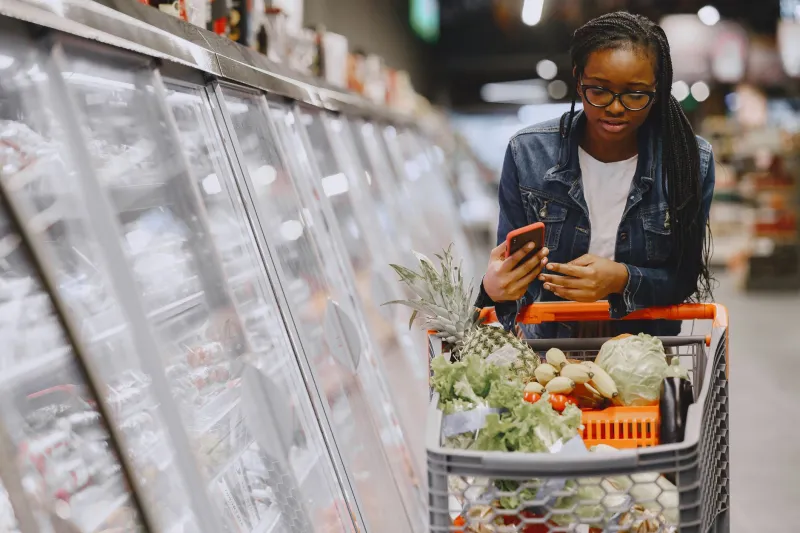
Every time that cashier asks for your phone number, an exchange happens. The store learns what you buy, when you buy it, and how price-sensitive you are. In return, you get... whatever's on the screen, if you bother to look.
Most of us treat that as a one-way street. It isn't. Your shopping history is genuinely valuable — grocers use it to build the personalized offers that keep you coming back — and once you see the loyalty card as a two-way contract instead of a surveillance badge, you can start negotiating your side of it like a pro.
What the Store Actually Gets From You
Let's not be naive about the deal. When you scan your Kroger Plus Card or Safeway Club account, the retailer logs every SKU against your household. That record tells them which brands you'll pay full price for, which sales you respond to, and — this is the juicy part — when you're likely to run out of something.
Why does that matter to you? Because that data is exactly what fuels the personalized deals in your account. The store isn't being generous with those "just for you" coupons; it's making a calculated bet that a targeted discount will keep your basket loyal. Your job is to make that bet expensive for them and cheap for you.
Step One: Clip Before You Shop, Not After
The single biggest leak in most grocery budgets is the unclipped digital deal. At Kroger, Safeway, Albertsons, and most regional chains, the steepest discounts are locked behind the app — you have to load them to your card before checkout, and most reset weekly, usually on Fridays or Saturdays depending on the chain.
The move: spend five minutes in the parking lot (or on the couch, better) clipping everything relevant before you walk in. The weekly reset matters more than any single coupon. A $3-off digital deal that expires Saturday isn't the same as the new batch that loads Sunday — if you shop on autopilot, you're paying last week's prices for this week's groceries.
Set a recurring phone reminder for the reset day. That's the whole system. Five minutes, once a week.
Step Two: Make the Gas Rewards Do the Heavy Lifting
Here's where loyalty programs quietly become lucrative. Kroger's fuel points and Safeway's gas rewards convert grocery spending into cents-per-gallon discounts at the pump — and the thresholds are where the magic lives.
Typical structures look like this:
- Spend a set amount in a month and unlock a bigger per-gallon discount, often up to $1 off per gallon at participating stations
- Bonus-point events on gift cards — buying a $100 gift card for a store you'd shop at anyway can earn fuel points as if you'd spent it
- Points that expire at the end of the month, which rewards timing your big stock-up trips
The gift card trick deserves a spotlight. If you're buying groceries at Kroger anyway, buying a Kroger gift card first — then paying with it — can double-dip the points. Same for buying gas station or restaurant cards you'd use regardless. You're not spending extra money; you're routing money you were already spending through a tollbooth that pays you back.
The catch: fuel rewards expire and cap out. Letting points lapse is leaving money at the pump, literally. Fill up before the expiration window closes, and time your monthly threshold so one big trip triggers the bonus tier instead of three small ones.
Step Three: Train the Algorithm on Purpose
Personalized coupons are generated from your purchase history — which means you can influence them. Buy a category consistently and the app learns you're a likely buyer and starts discounting it. Ignore a category and the offers dry up.
So steer deliberately. If you buy the store brand of coffee every week, don't be shocked when the name-brand coffee coupons never come — the algorithm has decided you don't need convincing. If you want the premium version at a discount, occasionally buy it full price (or on a sale) to flag yourself as a persuadable customer. It sounds cynical because it is. You're marketing to an algorithm that's marketing to you.
This also works in reverse: if you never want the junk food deals, don't scan your card on the snack runs. Yes, you'll lose a few cents of discount — but your personalized feed stays cleaner and full of offers you'd actually use.
Step Four: Stack It With Everything Else
The loyalty program isn't your only tool — it's one layer of the stack:
- Cashback apps like Ibotta or Fetch let you snap receipts from the same trip and earn again on items you already got a loyalty discount on
- Your rewards credit card earns its normal cashback on top of sale prices and clipped digital deals
- Manufacturer coupons in the store's own app often stack with digital store deals on the same item
A single box of cereal can legitimately be on sale, have a clipped digital coupon, carry an Ibotta rebate, and earn 2% on your card. That's the kind of math that turns a $150 grocery run into a $120 one — without buying a single thing you weren't going to buy anyway.
What This Adds Up To
Realistic expectations: an active loyalty user who clips weekly, chases fuel thresholds, and stacks one cashback app typically banks between $20 and $50 a month in combined savings and gas discounts. Over a year, that's a car repair, a holiday fund, or a chunk of a credit card balance.
Is the store still collecting your data? Sure. But you're not a passive subject anymore — you're a supplier with a rate card. Clip the deals, time the thresholds, steer the algorithm, and stack the rebates. They wanted a relationship. Make them pay for it.