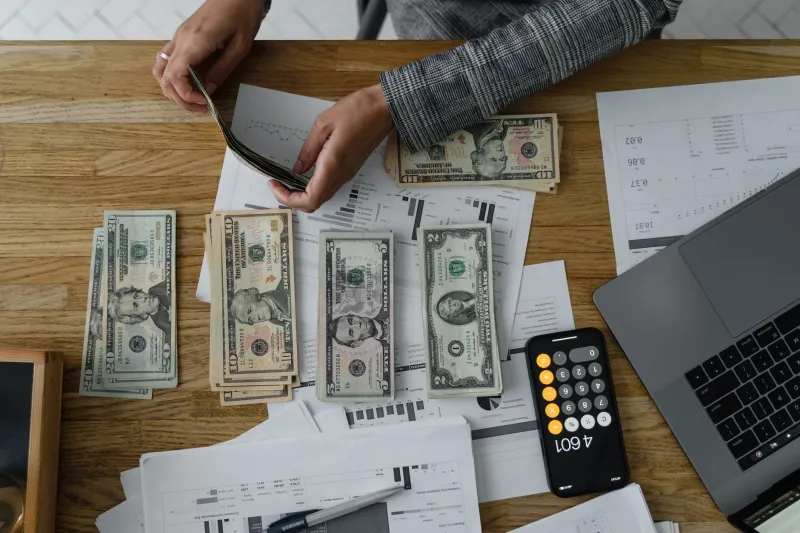
Your Utility Company Is Handing Out Money. Here's How I Collected $47 a Month of It
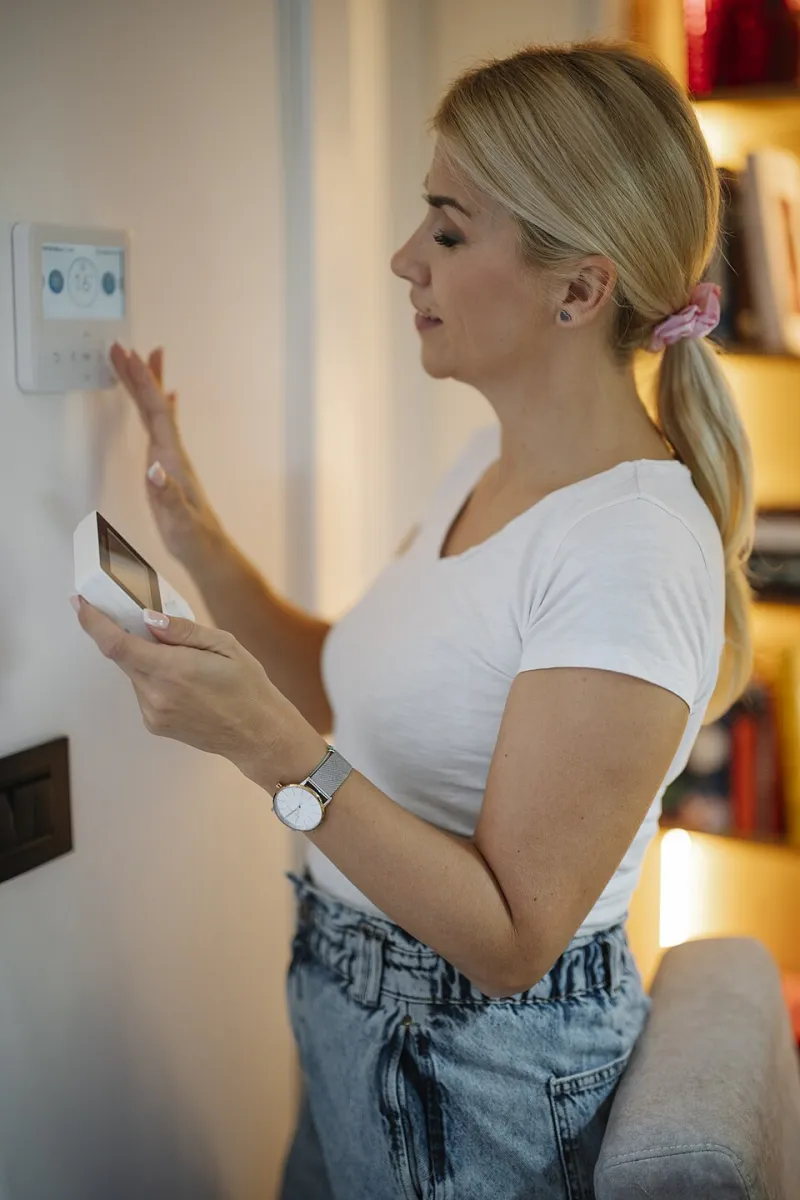
Photo: Shixart1985, CC BY 2.0, via Wikimedia Commons
I used to treat my electric bill like the weather — something that just happened to me. Then I spent one evening on my utility's website (yes, the actual website, not the payment portal) and found out my power company was basically running a giveaway that nobody I knew had entered.
Three months later, my bill dropped from around $164 to $117. Nobody in my house is shivering in July or melting in January. Here's exactly where that money came from.
Step One: Find Out What Your Utility Is Quietly Offering
Here's the thing most people miss: utility companies are often required to spend money on efficiency programs, and they're not exactly advertising it. Unclaimed rebates look good on their regulatory filings either way, so the burden of discovery falls on you.
Spend fifteen minutes doing this:
- Google "[your state] utility rebate programs" plus your provider's name.
- Check the DSIRE database (Database of State Incentives for Renewables & Efficiency) — it's free and catalogs every program by zip code.
- Search your provider's site for the words "rebates," "efficiency," and "demand response."
What you're looking for falls into three buckets, and I pulled from all of them.
Bucket One: The Rebates Nobody Claims
Utilities hand out rebates on things you might buy anyway: smart thermostats, LED bulbs, insulation, heat pump water heaters, even new appliances. In many states, a smart thermostat rebate runs $50 to $125 — sometimes covering the entire device.
My state's program covered $75 of a $99 thermostat. Some utilities will literally mail you one for free if you enroll in their demand-response program (more on that in a second). A friend in Colorado got a free energy audit — normally a few hundred dollars — that found a gap in her attic insulation big enough to explain her weird January bills.
The catch? You usually have to buy through an approved retailer and submit a form. It's boring paperwork. It's also a $75 check for twenty minutes of effort, which is a better hourly rate than most side hustles.
Bucket Two: Time-of-Use Rates (The One That Changed My Bill)
Most utilities charge a flat rate all day. But many offer a time-of-use (TOU) plan where electricity is cheap at night and expensive during peak hours — usually late afternoon through evening.
I know, I know. Volunteering for surge pricing sounds like a scam. But flip it around: I was already running the dishwasher and doing laundry whenever I felt like it. Shifting those to after 9 p.m. cost me nothing in actual lifestyle. My rate during off-peak hours dropped by roughly 40%.
The math: my utility's flat rate was about 16¢ per kWh. Under TOU, peak was 28¢ but off-peak was 9¢. Since most of our heavy usage (laundry, dishes, EV-style charging, the AC pre-cooling trick I'll explain below) moved to off-peak, we came out ahead by about $22 a month.
The one warning: if you work from home and run AC hard from 4–9 p.m. in a hot state, TOU might cost you more. Most utilities will let you run a rate comparison on your last 12 months of usage, or even give you a trial period. Run the numbers before you flip the switch.
Bucket Three: Get Paid to Let Them Touch Your Thermostat
This is the one that sounds like a trick but isn't. Many utilities offer demand response programs (often with branded names like "Savings Quest" or "Peak Perks"). You enroll your smart thermostat, and on a handful of the hottest days of the year, the utility nudges your AC up two or three degrees for a few hours.
In exchange: a sign-up bonus (often $50–$100) plus ongoing bill credits, typically $20–$40 per season. You can usually override it if you're hosting a July cookout, though too many overrides can knock you off the program.
Across the country, versions of this exist in Texas, California, New York, Florida, and dozens of states in between. Some states go further — California, Massachusetts, and New York fund comprehensive free efficiency upgrades for income-qualified households, including weatherization and appliance replacement. Even if you don't qualify based on income, your state may offer a reduced-cost version.
The Thermostat Schedule That Ties It All Together
Once the smart thermostat was on the wall (and partially paid for by the rebate), I set a schedule built around the TOU plan:
- Overnight: Let the house drift a few degrees. You're asleep; you won't notice.
- Pre-peak (early afternoon): Cool or heat the house aggressively while rates are still cheap. Thermal mass does the rest.
- Peak hours (4–9 p.m.): The system coasts. The house holds temperature better than you'd expect.
- After 9 p.m.: Back to comfort, now at off-peak pricing.
That pre-cooling trick alone is worth learning. Cooling your home at 9¢ per kWh instead of 28¢ is the whole ballgame.
Your 30-Minute Action Plan
- Pull up your utility's website and search "rebates" and "demand response."
- Look up your state on DSIRE for anything the utility doesn't mention.
- Ask your utility for a TOU rate comparison based on your actual usage history.
- Buy a smart thermostat with a rebate attached, install it (it's easier than hanging a picture, I promise), and set the schedule above.
My $47 in monthly savings breaks down to roughly $22 from the rate plan, $15 from smarter scheduling, and about $10 in average bill credits and rebate payback. Your numbers will vary — but the money is sitting there either way, and unlike most things in personal finance, your utility company will actually thank you for taking it.
UBucks tip: Calendar a check-in for one year from now. Utilities tweak their programs constantly, and the rebate you miss today might be double next spring.