The Money Stores Quietly Owe You: A Field Guide to Returns and Price Adjustments
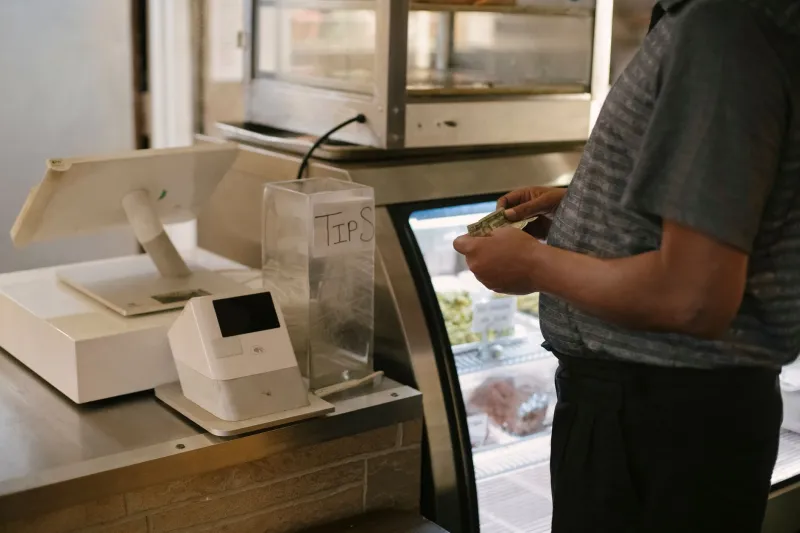
Let's be blunt about something: stores count on you not asking. Return windows, price-match guarantees, and post-purchase adjustments exist in fine print precisely because the overwhelming majority of shoppers never invoke them. Industry estimates routinely peg unclaimed refunds and unadjusted price differences in the hundreds of dollars per household, per year. That's not a rounding error — that's a side hustle you can run from your couch.
At UBucks, we think reclaiming money you're already owed is the purest form of earning: no new spending required. So consider this your field manual.
The Three Loopholes That Pay Most Often
1. Price adjustments. Many major retailers will refund you the difference if an item you bought goes on sale within a set window — often 7 to 30 days. This is different from price matching (beating a competitor's price); this is the store honoring its own sale retroactively. Buy a blender, see it $40 cheaper two weeks later? You may be entitled to that $40 back. All it takes is a receipt and a question.
2. Price matching. Several national chains will match — sometimes beat — a competitor's advertised price if you show it at the register or in the app. Big-box stores, office supply chains, and home improvement retailers all have published policies. Print nothing, memorize nothing: just screenshot the lower price before you check out.
3. The generous return window. Some retailers famously accept returns for a year or more, and others quietly extend holiday return windows into late January. Knowing which store is which turns panic purchases into stress-free ones.
Your Retailer Cheat Sheet (Policies Change — Always Verify)
- Big-box general merchandise: Expect roughly 90-day return windows, with shorter windows on electronics. Several offer price adjustments within about a week — the fastest money in retail if you time a purchase right before a sale.
- Warehouse clubs: Famous for near-unlimited satisfaction guarantees on most merchandise and a generous window on electronics. Their return policy is arguably part of what the membership fee buys.
- Department stores: Return windows often stretch to 90 days or beyond with a receipt, and some match their own online prices at the register — ask before paying.
- Clothing retailers: Many offer 30–60 day windows, and some adjust prices on recent purchases within about two weeks. Keep tags on until you're sure.
- Online-only giants: Watch the return-by dates on your orders page, and know that prices on marketplaces fluctuate hourly — a browser extension that tracks price drops can flag refunds you're owed automatically.
Scripts That Actually Work
Customer service reps deal with hundreds of people a day. Polite, specific, and low-drama gets you refunded fastest. Steal these:
For a price adjustment: "Hi! I bought this [item] on [date] and I see it's now on sale for [price]. Could you refund me the difference? I have my receipt right here."
For a price match: "Before I check out — this same item is advertised at [competitor] for [price]. Do you match competitor pricing?"
For an out-of-window return: "I know this is past the standard window, but the item is unopened and I have the receipt. Is there anything you can do, or store credit you'd consider?"
Notice the pattern: you're never demanding, never threatening. You're giving the rep an easy yes. Nine times out of ten, they'll take it.
Make It a Habit, Not a Chore
Here's the side-hustle framing: spend 15 minutes every Sunday reviewing recent purchases. Screenshot prices on big-ticket items you bought in the last month. Keep digital receipts in one email folder. That's it. Shoppers who build this micro-routine routinely recover $300–$600 a year — tax-free money on stuff they already bought.
Stores wrote these policies. The least we can do is use them. Stack your savings, one refunded buck at a time.